
Fix & Flip Loans for Real Estate Investors in Naples, FL
A fix-and-flip loan is short-term financing to buy and renovate a non-owner-occupied property for resale. Lenders typically review the purchase price, the renovation budget and your exit plan, and repair funds are often released in draws as work is completed.
Loan availability and terms depend on borrower and property qualifications.
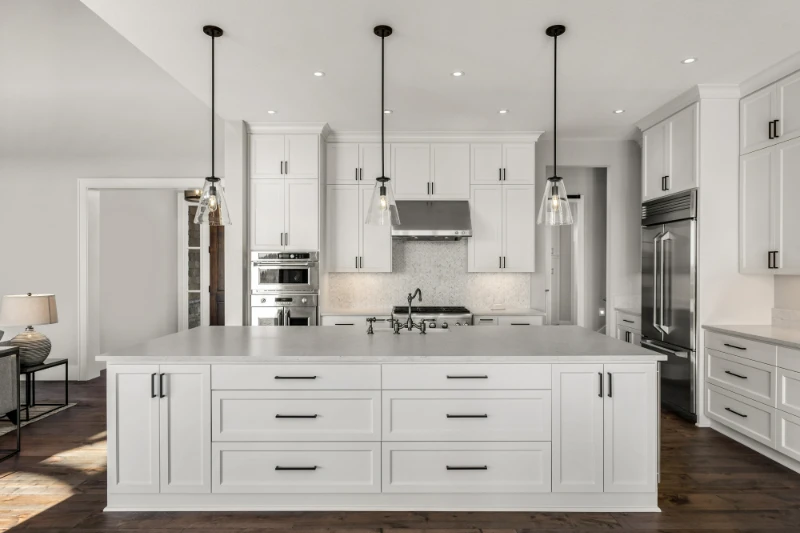
Start with the investment you want to build.
Build the plan around purchase and resale.
Connect the acquisition price, renovation budget, and exit assumptions before comparing financing.
A fix and flip loan is short-term, business-purpose financing that helps an investor buy a property that needs work, fund the renovation in stages, and repay the loan when the finished home sells. For investors working on projects in Naples, FL, First Premier Mortgage (NMLS #2668389) helps you compare project-based options and pressure-test the budget, timeline and resale plan before you commit.
Key Takeaways
- The project is underwritten The purchase price, scope of work, contractor and after-repair value carry as much weight as your credit.
- Rehab money arrives in draws Renovation funds are usually released after completed work is inspected, so you front some costs yourself.
- After-repair value sets the ceiling The appraiser’s estimate of the finished home’s value limits how much a lender will lend.
- Holding costs add up Loan charges, insurance, taxes, utilities and association dues run every month the project is unfinished or unsold.
- The exit must be believable Lenders want a realistic resale plan with comparable sales, not hopeful pricing.
- Speed costs money Project-focused, short-term financing usually carries higher pricing and fees than a long-term mortgage.
Fix and Flip Loan FAQ
Fix and flip questions usually center on draws, after-repair value and what happens if the project runs long. These are the questions investors ask us before their first or next flip.
What does a fix and flip loan pay for?
Depending on the program, it may cover part of the purchase price and part or all of the approved renovation budget. Your own funds typically cover the rest, plus closing and carrying costs.
How do renovation draws work?
You or your contractor complete a phase, request a draw, and an inspector confirms the work. The lender then releases funds for that phase, often within days, so plan cash to cover work in progress.
Do I need prior flipping experience?
Not always, but experience often affects how much a lender will finance and at what price. First-time flippers may be asked for a larger contribution or a licensed general contractor.
Who sets the after-repair value?
An appraiser, using your scope of work and recent comparable sales of renovated homes. Your own estimate and the agent’s opinion help, but the appraisal controls the loan.
Can I move into the house after the renovation?
Not on a business-purpose flip loan. These loans are for non-owner-occupied investment property, and you certify that at closing; a home you plan to live in calls for a consumer rehab loan instead.
Is an extension possible if the sale takes longer?
Some lenders offer extensions for a fee and with an updated status review. Do not count on one; build extra time into your plan from the start.
What if I decide to keep the property as a rental?
Many investors refinance a finished flip into long-term rental financing such as a DSCR loan once it is leased. Plan for any seasoning requirement the take-out lender may have.
How Fix and Flip Loans Work
A fix and flip loan works by funding a defined project from purchase through resale, with renovation money released as the work is proven complete. This is the order most projects follow.
-
Find and analyze the deal
Start with the purchase price, a written scope of work and comparable sales of renovated homes nearby. If the spread does not survive conservative numbers, the loan will not fix it.
-
Build a line-item budget
Lenders want costs by trade and phase, with a contingency. A contractor bid carries more weight than a rough estimate.
-
Apply and document
Expect credit, proof of funds for your contribution and reserves, entity documents if you buy in an LLC, and a summary of past projects if you have them.
-
Appraisal on as-is and after-repair value
The appraiser values the property today and as completed. Both figures shape the loan amount.
-
Close and start work
Pull permits where required and keep invoices and photos organized. Clean records speed up every draw.
-
Draws, completion and sale
Each draw follows an inspection. When the home sells, the payoff comes out of the sale proceeds and any remaining profit is yours.
Who Fix and Flip Financing Suits
Flip financing tends to suit investors with a tested budget, cash for carrying costs and a resale plan grounded in recent sales. It is a poor match for anyone whose profit depends on everything going right.
Often a good fit
Investors buying dated homes with a clear cosmetic or mid-level scope, a reliable contractor and enough liquid funds to carry the property through slow months often find this structure workable. It may also suit buyers competing for distressed listings, where a conventional lender would not finance the home in its current condition. Experienced investors running more than one project at a time often value the draw process because it keeps each budget visible.
Consider another path
If the work is mostly ground-up or a full rebuild, investor construction loans are designed for that. If the home needs little work and you plan to hold it, a long-term rental mortgage usually costs less. And if your margin disappears with a small delay or a modest drop in resale price, consider passing on the deal rather than financing it.
Fix and Flip Loan Costs to Plan For
The true cost of a flip loan is the financing charges plus every month the property is held, so time is the biggest cost driver. Short-term project loans usually price higher than long-term mortgages and often include origination points, draw or inspection fees and possible extension fees.
Add title, recording, insurance during renovation, utilities, taxes and the selling costs at the end. Your Loan Estimate or term sheet should list the financing costs so you can compare lenders on the full picture.
| Feature | Fix and flip loan | Long-term rental mortgage |
|---|---|---|
| Purpose | Buy, renovate and resell | Buy and hold a rentable home |
| Property condition | Can be dated or distressed | Usually must be habitable at closing |
| Key value used | As-is and after-repair value | Current appraised value |
| Renovation funds | Released in inspected draws | Generally not included |
| Repayment | From the sale or a refinance | Over the full loan term |
Illustrative calculation (hypothetical figures)
Suppose the appraiser sets the after-repair value, and the total loan you request, including renovation funds, equals 68 percent of that value. Your loan-to-after-repair-value ratio is 68 percent. If the program’s ceiling for your experience level is lower, the loan amount is reduced and your own contribution rises. The lender may also ask for liquid reserves equal to six months of projected carrying costs, so if your available funds equal four months, the file would fall short until more assets are documented.
This example is illustrative, not an approval or a program minimum. The lender determines the accepted figures, included expenses, and required ratio for the selected program. Actual rates, APR, payments, and terms depend on your scenario and are provided in your Loan Estimate.
Fix and Flip Mistakes We See
Flip projects rarely fail on the purchase; they fail on time, budget and resale assumptions. These are the costly ones.
-
Underestimating the permit timeline
In our experience, investors who plan a quick turn on a Naples-area home with roof, window or electrical work lose weeks waiting on permits and inspections. Build that wait into your carrying-cost budget before you buy.
-
Skipping a contingency line
Older homes hide surprises behind walls. A budget without a contingency means the first surprise comes out of your pocket mid-project.
-
Pricing the resale off listings
Asking prices are not sales. Use closed sales of comparable renovated homes, adjusted for the season you expect to list.
-
Running out of cash between draws
What we typically see is a strong project stalled because the investor paid the contractor up front and the next draw has not cleared. Keep working capital separate from your down payment funds.
-
Ignoring the flood rebuild rule
In a flood zone, a renovation that crosses the substantial improvement threshold can require elevating the structure or bringing it to current flood code, which can upend the budget. Check with the building department before finalizing the scope.
Flipping Homes in Naples, FL
Many local flip opportunities are older ranch homes and storm-affected properties that need roofs, impact windows or interior rebuilding. Inland neighborhoods such as Golden Gate and Naples Park tend to offer more modest price points and shorter renovation scopes, while waterfront homes around Bayshore and Isles of Capri often involve seawalls, flood elevation questions and longer permitting.
The construction and real estate services trades here run busiest during the winter selling season, so contractor availability and listing timing affect every project budget. Collier County permitting and FEMA flood rules shape what a renovation can include, so we review the scope and exit timeline with you before you lock in a purchase.

Peter Moran
Peter Moran is CEO/President of First Premier Mortgage Lending, LLC and a mortgage professional with NMLS #235959. He helps homebuyers and homeowners compare financing options, explains rates and costs in plain language, and stays involved from the first conversation through closing.
Business-purpose loans for non-owner-occupied property; consumer protections may differ. This is educational and not financial advice. Loan programs and guidelines can change. Talk with a licensed mortgage professional about your specific scenario.
First Premier Mortgage NMLS #2668389 · Peter Moran NMLS #235959. Licensed in FL. Verify licensing at NMLS Consumer Access.
01 Purchase and renovation
Organize the contract, scope, and contractor estimates.
02 Holding expenses
Consider financing costs, taxes, insurance, and project delays.
03 Sale assumptions
Review the planned resale price, selling costs, and exit timing.
Program requirements vary. A conversation is not a commitment to lend or a loan approval.