
Construction Home Loans in Naples, FL
A construction loan releases funds in stages while a home is built. Buyers generally need an approved builder, plans and a budget, along with a plan for financing the finished home.
Loan availability and terms depend on borrower and property qualifications.
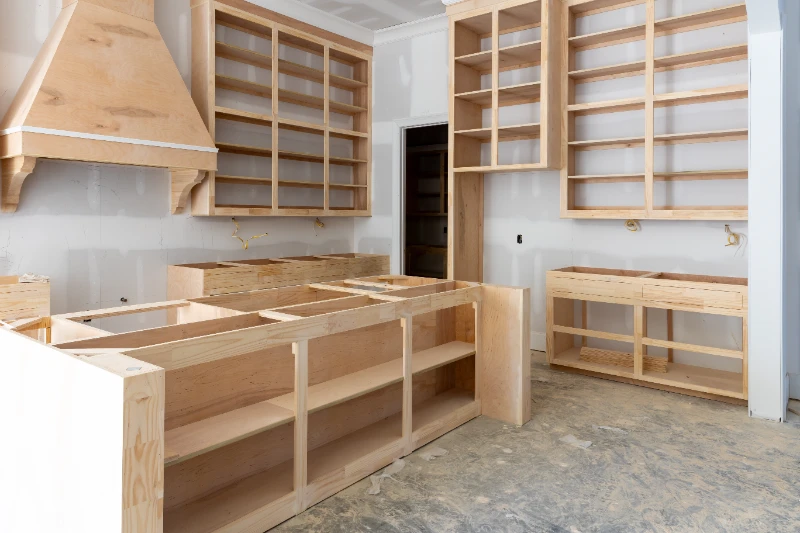
Start with the life you want to build.
Build the financing around the project.
Bring the plans, budget, and completion timeline together before breaking ground.
A construction home loan finances the building of a new primary residence, releasing funds to your builder in stages as inspections confirm each phase of work is complete. For homeowners planning a custom or builder-contracted home in Naples, FL, First Premier Mortgage (NMLS #2668389) helps you line up the loan, the builder review and the paperwork before the first shovel goes in.
Key Takeaways
- Money moves in draws The lender pays the builder in installments tied to inspected progress rather than in one lump sum.
- One close or two A construction-to-permanent loan rolls the build and the long-term mortgage into one closing, while a two-step approach uses separate loans.
- The builder is underwritten too License, insurance, experience and the signed contract are reviewed along with your finances.
- The appraisal is based on plans Value is estimated from the plans, specifications and lot, as if the home were already finished.
- Interest builds as funds go out During construction, interest is usually charged only on the amount drawn so far.
- Budget for surprises Change orders, upgrades and delays are common, and costs outside the approved budget usually come from your own funds.
Common Questions About Construction Loans
Before signing a building contract, most people want to know how the money flows, who approves the builder, and what happens if the project runs long. These are the answers we give most often.
What is a construction-to-permanent loan?
It is a single loan with one closing that covers the building phase and then converts to a long-term mortgage when the home is finished. You avoid a second closing and second set of qualification steps.
Can I use land I already own?
Often, yes. The equity in a lot you own may count toward your investment in the project, depending on how long you have owned it and any liens on it.
How does the lender pay my builder?
The builder requests a draw at each milestone, an inspector confirms the work, and the lender releases that portion of the funds. Lien waivers are usually collected along the way.
Do I need a builder before I apply?
Yes, in most cases. The lender needs a signed contract, plans, a cost breakdown and the builder’s credentials before it can approve the loan.
Is it possible to act as my own general contractor?
Owner-builder financing is limited and reviewed much more closely. Most programs expect a licensed, insured general contractor.
What if construction takes longer than planned?
Many programs allow an extension, sometimes for a fee, and a rate lock may need to be extended. Ask about both before you close.
How is this different from renovating an existing home?
A construction loan is built around a new structure. If you are improving a home that already stands, a Rehab Loan is usually the closer match.
Who handles builds meant as rentals?
This page covers a home you will live in. Builds for rent or resale go through Investor Construction Loans, which follow business-purpose rules.
How Construction Home Loans Work
A construction home loan works by approving you, your builder and your plans up front, then funding the build one inspected stage at a time. Here is the typical sequence for an owner-occupied home.
-
Review your finances and the lot
We look at income, credit, assets and the land, whether you own it or are buying it. This sets a realistic budget before you finalize plans.
-
Select and submit the builder
Your builder provides licensing, insurance, references and a detailed contract. The lender reviews them before the loan moves forward.
-
Finalize plans and the cost breakdown
Plans, specifications and a line-item budget, including a contingency, go to the lender. Permits are usually applied for in parallel.
-
Appraise the finished home
The appraiser estimates the home’s value as if completed, using the plans and comparable homes nearby.
-
Close and start the draws
At closing, any lot payoff and early costs are handled. As the builder reaches each milestone, an inspection triggers the next draw.
-
Finish and convert
After the final inspection and certificate of occupancy, a construction-to-permanent loan converts to its long-term phase. On a two-step plan, you close a separate mortgage at this point.
Is Building With a Construction Loan Right for You?
A construction loan often fits when you have a lot, an experienced builder, and enough cash cushion to absorb a longer or costlier build than planned. It asks more of you than buying a finished home.
Often a good fit
In our experience, the smoothest builds involve a borrower with a clear plan, a builder who has worked with lender draw schedules before, and reserves set aside for change orders. You may also be a good candidate if you already own the land, since its equity can help. If you are self-employed, a Bank Statement Loan discussion may come up for the long-term financing.
Consider another path
If you need to move by a firm date, have little cushion for cost overruns, or have not chosen a builder, a newly completed or nearly completed home may be less stressful. A home a builder finishes before sale, often in a planned community, is usually bought with a standard purchase loan instead. If you are carrying a current home during the build, the overlap needs its own plan.
Construction Loan Costs and What to Expect
Construction loans carry the usual closing costs plus charges tied to managing the build. Expect fees for draw inspections and title updates at each draw, an appraisal based on plans, and possibly an extension fee if the schedule slips. Pricing during construction is often higher than on a standard purchase loan.
| Feature | Construction-to-permanent | Two-step financing |
|---|---|---|
| Closings | One | Two |
| Qualification | Once, before the build | Before the build and again at completion |
| Closing costs | One set | Two sets |
| Flexibility | Long-term terms chosen up front | Shop the long-term loan later |
| Main risk | Less room to change course | Your finances or the market may change before the second loan |
Illustrative calculation (hypothetical figures)
Suppose you rent while you build. If your current rent, your other monthly debts, and the qualifying monthly housing obligation (PITIA) for the finished home together use 41 percent of gross monthly income, your debt-to-income ratio is 41 percent. If the lender also asks for liquid reserves equal to six months of that housing obligation, your verified assets must cover six months of it after closing costs.
This example is illustrative, not an approval or a program minimum. The lender determines the accepted figures, included expenses, and required ratio for the selected program. Actual rates, APR, payments, and terms depend on your scenario and are provided in your Loan Estimate.
Construction Loan Mistakes to Avoid
Construction loan problems usually trace back to the contract, the budget or the schedule. Watching these points protects both the build and the financing.
-
Signing the building contract before lender review
A contract missing a cost breakdown, a draw schedule or builder insurance details can stall approval. Let us see it before you sign.
-
Leaving no contingency
Material prices and site conditions change. A budget with no contingency line forces you to pay overruns out of pocket.
-
Upgrading mid-build without paperwork
What we typically see is a homeowner who adds a summer kitchen or impact doors halfway through without a written change order. The lender cannot draw for unapproved work, so the builder waits for payment and the schedule slips.
-
Ignoring the rate lock window
Ask how long the rate lock lasts and what an extension costs if the certificate of occupancy comes late.
-
Forgetting the lot’s own costs
Surveys, soil tests, fill and utility hookups are often outside the builder’s contract. Price them early.
Building a Home in Naples, FL
Much of the new single-family construction around Naples happens on the larger lots of Golden Gate Estates, where wells, septic systems, fill and driveway culverts are part of the budget. Closer to the coast, older homes in Naples Park are often replaced with new elevated homes, where flood zone rules set the minimum floor height and shape the design.
Collier County permitting, Florida Building Code wind standards and hurricane season scheduling all affect the timeline. Construction is a major part of the local economy, so builder schedules can be tight, and a lender-ready builder with clear draw paperwork keeps the Naples build moving. Wind and flood insurance for a home under construction should be quoted before closing.

Peter Moran
Peter Moran is CEO/President of First Premier Mortgage Lending, LLC and a mortgage professional with NMLS #235959. He helps homebuyers and homeowners compare financing options, explains rates and costs in plain language, and stays involved from the first conversation through closing.
Construction and renovation financing is subject to property, contractor and project approval, and project costs and timelines can change. This is educational and not financial advice. Loan programs and guidelines can change. Talk with a licensed mortgage professional about your specific scenario.
First Premier Mortgage NMLS #2668389 · Peter Moran NMLS #235959. Licensed in FL. Verify licensing at NMLS Consumer Access.
01 Plans and specifications
Organize the proposed design and scope of work.
02 Builder and budget
Bring estimates, builder details, and planned contingencies.
03 Schedule and completion
Review the timeline and the intended long-term loan structure.
Program requirements vary. A conversation is not a commitment to lend or a loan approval.